Cold February: A Handwritten Font for Creative Branding
It was a quiet afternoon when I opened my design board and started sketching out ideas for a new client—a small, cozy café nestled in the heart of a city neighborhood. The brand needed something warm, inviting, and a bit playful to reflect its personality. As I browsed through font options, Cold February caught my eye. It wasn’t just any font; it had that handwritten charm that felt like a personal note from a friend.
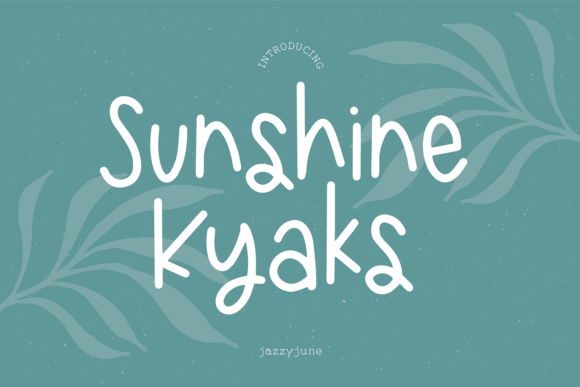
Cold February is a simple and fun handwritten font that brings a sense of authenticity and warmth to any design. Its character strokes are soft and flowing, giving off a relaxed yet professional vibe. This font isn’t trying too hard—it’s the kind that feels natural on a menu or a label, as if it was scribbled by someone who genuinely cares about the brand they’re representing.
I began testing Cold February on a logo draft. The first mockup looked promising. The font’s casual look gave the café an approachable feel, which was exactly what the client wanted. I used it for the main name, while pairing it with a clean sans-serif font for the supporting text. The contrast worked well, balancing playfulness with clarity.
Next, I moved on to packaging mockups. The font translated beautifully onto coffee bags and takeaway cups. It didn’t feel cluttered or overwhelming, even at smaller sizes. The handwritten style added a touch of intimacy that made the brand feel more personal and trustworthy.
On social media graphics, Cold February stood out without being too loud. I used it for captions and headlines, and it created a friendly tone that resonated with the café’s target audience. It also worked well on Instagram posts, where the font’s readability was key for engagement.
One thing I noticed early on was how versatile Cold February could be. It wasn’t just limited to logos and packaging. I experimented with using it on posters, flyers, and even website headers. In each case, it brought a unique energy that made the designs feel more alive and human.
When it came to brand consistency, I made sure to test the font across different mediums. From business cards to shop signs, Cold February maintained its character without losing legibility. It’s important to remember that a font should work well in both digital and print formats, and this one did just that.
Font pairing played a role in making the brand feel cohesive. I paired Cold February with a modern sans-serif font for body text, which helped guide the viewer’s eye and maintain visual hierarchy. The contrast between the two fonts made the design feel balanced and intentional.
Another consideration was checking the included styles and alternates. While Cold February is primarily a display font, it still offered enough variation to be used in short-form text. I found that it worked best as a headline or accent font rather than for long paragraphs, which makes sense given its handwritten nature.
If you're considering using Cold February for a branding project, I recommend testing it early on in your design process. Try it out on different surfaces—paper, screen, print—and see how it holds up under various conditions. It’s also worth exploring how it pairs with other fonts in your brand system to ensure a harmonious look.
For commercial use, make sure to check the licensing terms of Cold February, especially if you plan to use it in multiple projects or for clients. A clear understanding of the font’s usage rights will save you time and potential issues down the line.
Overall, Cold February has become a go-to choice for adding personality to branding projects. Whether it's for a café, boutique, or creative studio, this font has the ability to elevate a design without overpowering it. It’s not just a typeface—it’s a storytelling tool that can help brands connect with their audience in a meaningful way.
So next time you're working on a brand identity, consider Cold February. Let its simple and fun style bring a fresh perspective to your designs. You might just find that it’s the perfect fit for your next creative project.