Hello Della – A Stylish Script Font for Modern Web Design
Hello Della is a modern calligraphy font that brings a touch of elegance and whimsy to digital design. As a web designer, I’ve found it particularly useful in creating visually engaging layouts that stand out while maintaining readability. Its clean yet expressive strokes make it ideal for a range of digital applications.
Visual Characteristics and Digital Appeal
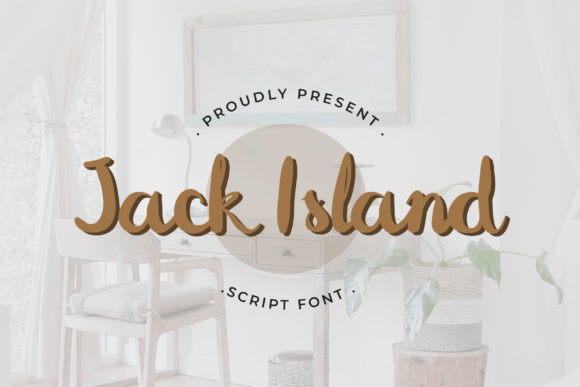
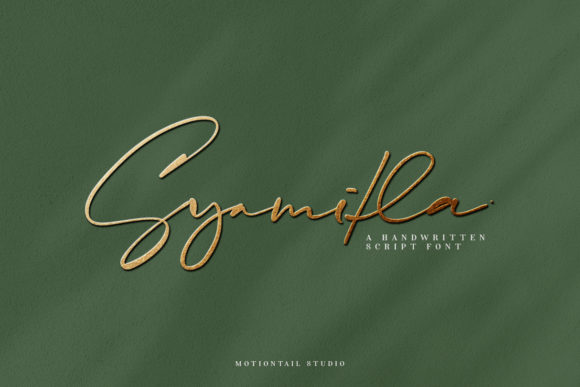
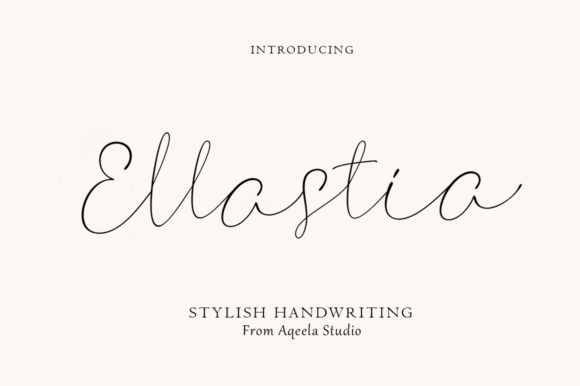
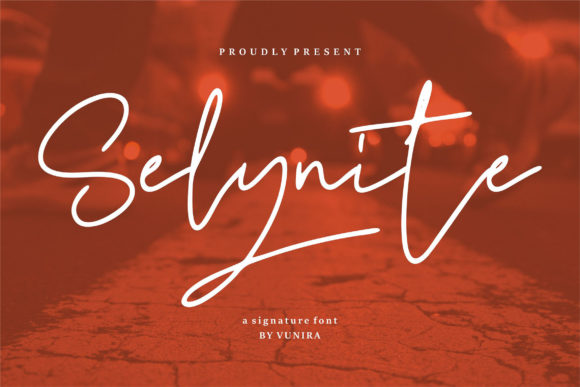
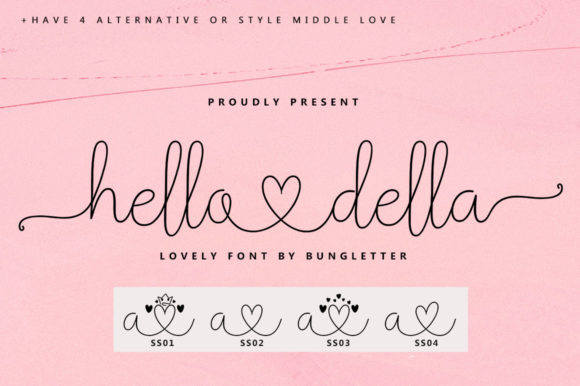
Hello Della has a flowing script style with subtle variations in stroke weight, giving it a natural, handwritten feel. The font exudes a sense of creativity and personality, making it perfect for branding that wants to convey warmth and approachability. Its versatility allows it to blend well with both minimalist and more ornate design styles.
The font’s character set includes a wide range of glyphs and alternates, which can be used to add visual interest without compromising legibility. This makes Hello Della suitable for use in headers, logos, and decorative elements across various platforms.
Applications in Web Design
Hello Della shines in several key areas of web design. It works exceptionally well as a header font on landing pages, where it can draw attention and set the tone for the content below. Its elegant curves are also effective for hero sections, where a strong visual impact is needed.
For online stores, Hello Della can be used in banner headlines or promotional graphics to create an inviting atmosphere. On portfolio sites, it adds a creative flair to project titles and section headings. When used in call-to-action buttons, it helps guide user behavior by creating a sense of urgency or invitation.
In blog headers or course sales pages, Hello Della can enhance the overall aesthetic while maintaining clarity. Its use in social media graphics or digital ads ensures that brand messaging remains consistent and memorable.
Readability and Visual Hierarchy
While Hello Della is a script font, its design ensures that it remains readable even at smaller sizes. However, it's best suited for short phrases rather than long blocks of text. Using it for section headings or subheadings maintains a clear visual hierarchy and improves scanning behavior on web pages.
When designing for mobile screens, it's important to test Hello Della at different sizes to ensure it remains legible. Pairing it with a sans serif font for body copy can help maintain balance and improve overall readability across devices.
Brand Tone and User Engagement
The choice of font significantly influences brand perception. Hello Della’s whimsical yet professional appearance can help establish a brand tone that feels both creative and trustworthy. This is especially valuable for boutique stores, coaching websites, or creative agencies looking to build a unique identity.
Using Hello Della consistently across branding elements—such as logos, email headers, and website navigation—creates a cohesive look that reinforces brand recognition. This consistency is crucial for building trust and improving user engagement.
Font Pairing and Typography Best Practices
Hello Della pairs well with simple sans serif fonts like Helvetica or Arial for body text, ensuring a contrast between decorative and functional typography. For a more editorial feel, pairing it with a serif font such as Georgia can add depth and sophistication.
It's also worth considering the available weights and styles included in the font family. These variations allow for greater flexibility in design, enabling you to adjust the visual weight of text depending on its purpose within the layout.
Commercial Use and Licensing
As a commercial font, Hello Della requires proper licensing for use in client projects, online stores, landing pages, and digital templates. Always check the licensing terms provided by Script Amp to ensure compliance when using it in branded assets or for public-facing content.
Whether you're designing a digital product, creating a brand kit, or developing a new website, Hello Della offers a stylish yet practical solution for adding a personal touch to your typography. Its adaptability and readability make it a valuable asset in any designer's toolkit.