Jelly Kids Font for Web and Digital Design
Jelly Kids is a script font that brings a sense of playfulness and creativity to digital projects. As a web designer, I often look for fonts that can inject personality into websites without sacrificing readability or brand consistency. Jelly Kids fits this need perfectly, offering a fresh and fun typeface that works well across various design contexts.
Visual Characteristics and Personality
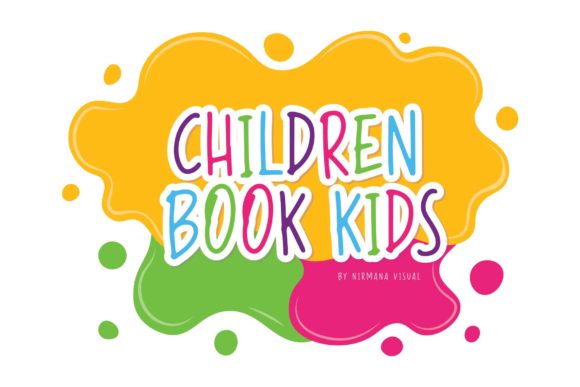
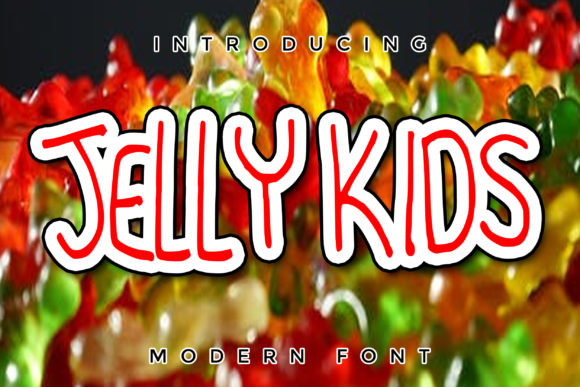
Jelly Kids has a soft, rounded appearance with gentle curves and a childlike energy. Its handwritten feel makes it ideal for projects targeting younger audiences or those looking to evoke a sense of joy and approachability. The font's visual appeal lies in its ability to balance whimsy with clarity, making it suitable for both decorative and functional use.
The script style of Jelly Kids adds a unique touch to headers, call-to-action buttons, and promotional banners. It’s not overly complex, which helps maintain readability even when used in larger sizes or on mobile screens.
Using Jelly Kids in Website Layouts
When designing a website, the choice of font plays a crucial role in shaping the user experience. Jelly Kids can be effectively used in hero sections, landing pages, and online store banners where a playful tone is desired. For example, using Jelly Kids as the main title on a creative portfolio site can instantly communicate the designer's personality and style.
In a boutique online store, Jelly Kids can be used for product titles or promotional headlines. This helps create a cohesive brand identity while keeping the layout visually engaging. When paired with a clean sans serif font for body text, Jelly Kids enhances the overall design without overwhelming the reader.
Readability and Visual Hierarchy
One of the key considerations in typography is ensuring that the chosen font supports readability. Jelly Kids performs well in short phrases and headings, making it an excellent choice for section titles, buttons, and call-to-action areas. However, it's best to avoid using it for long paragraphs due to its script nature, which can make dense text harder to scan.
For mobile responsiveness, it's important to test how Jelly Kids renders at smaller sizes. The font maintains its legibility on smaller screens, but spacing and line height should be adjusted accordingly to ensure optimal readability. When using Jelly Kids on dark backgrounds or image overlays, consider adding a subtle stroke or shadow to enhance contrast.
Brand Tone and User Engagement
The tone of a brand is often reflected in its typography choices. Jelly Kids contributes to a friendly and approachable brand voice, making it suitable for educational platforms, children's content, or creative services aimed at families. Its use can significantly influence user engagement by creating a more inviting and memorable experience.
On a coaching website or course sales page, Jelly Kids can be used for headlines or feature titles to convey warmth and inspiration. This helps establish trust and connection with the audience, reinforcing the brand's message through visual cues.
Font Pairing and Stylistic Flexibility
Font pairing is essential for achieving a balanced and aesthetically pleasing design. Jelly Kids pairs well with simple sans serif fonts like Helvetica or Arial for body copy, allowing the script font to stand out without competing for attention. In editorial designs, a serif font such as Georgia or Times New Roman can provide a more refined contrast.
For a modern digital identity, combining Jelly Kids with a minimalist sans serif font creates a dynamic yet cohesive look. This combination is particularly effective in digital ads, blog headers, and social media graphics where visual impact is key.
Practical Considerations for Web Designers
Before implementing Jelly Kids on a website, it's important to check the available styles, file formats, and webfont support. Ensuring that the font is compatible with different browsers and devices is crucial for maintaining a consistent user experience. Additionally, verifying multilingual support can be beneficial if the site targets a global audience.
Commercial font licensing is another important factor. When using Jelly Kids for client projects, online stores, or digital templates, it's necessary to have the appropriate license to avoid any legal issues. Always review the terms of use provided by Script Amp to ensure compliance with commercial usage guidelines.
Jelly Kids is a versatile script font that can elevate the visual appeal of various digital projects. Whether used for branding, marketing, or editorial content, it offers a unique way to express creativity while maintaining usability and professionalism. As a designer, I find it to be a valuable asset in my toolkit for crafting engaging and memorable web experiences.